
Automation allows manufacturers to build systems that can absorb shocks whether from energy price swings, supply chain disruption, or labour constraints without needing to make reactive cuts that impact long-term capability.
As geopolitical tensions continue to ripple through global energy markets, the effects are being felt far beyond oil-producing regions. This new era of instability, specifically as it pertains to oil, is introducing a new layer of economic uncertainty, with energy price volatility, overall availability, supply chain disruptions, and shifting trade dynamics affecting industries worldwide. As costs become less predictable, businesses are being forced to rethink how they operate and where they can regain control.
But there is one oil dependent industry that is barely mentioned if at all in the broader conversations about the negative macro-economic downstream effects of oil price volatility and it is one that is part of pretty much every industry in the world in one way or another: Plastic. We tend to forget that plastic is a petrochemical product and is impacted as much or more than any other industry by wild swings and uncertainty in the oil sector.
From resin pricing volatility to increased transportation costs, fluctuations in oil prices are once again forcing manufacturers to confront a familiar challenge: how to maintain competitiveness in an environment of rising and unpredictable input costs. But according to Neal Mohammed, Director at the Barrett Centre for Technology Innovation at the Humber Institute of Technology & Advanced Learning, the answer is not simply an issue of cost control, but an issue of fundamental transformation in the plastics manufacturing industry:
“The global oil crisis is highlighting how closely the plastics industry is tied to energy markets. Rising oil prices are driving up resin costs and creating supply chain challenges. While this is putting pressure on manufacturers, it’s also pushing the industry to rethink sourcing, improve efficiency, and explore alternative materials. In many ways, it’s becoming a catalyst for longer-term change.”
A Direct Link Between Oil and Plastics
Plastics are, at their core, a derivative of fossil fuels. When oil prices rise, the effects cascade quickly through the value chain. Resin costs climb. Logistics becomes more expensive. Energy-intensive production processes become less predictable. This creates a compounding effect, particularly for manufacturers already navigating labour shortages and competitive pressure from lower-cost jurisdictions.
A New Layer of Uncertainty
The current environment differs from previous cycles in one key respect: uncertainty. Geopolitical instability, from conflict zones to trade tensions, has introduced volatility that makes long-term planning more difficult. For manufacturers, unpredictability can be just as challenging as rising costs.
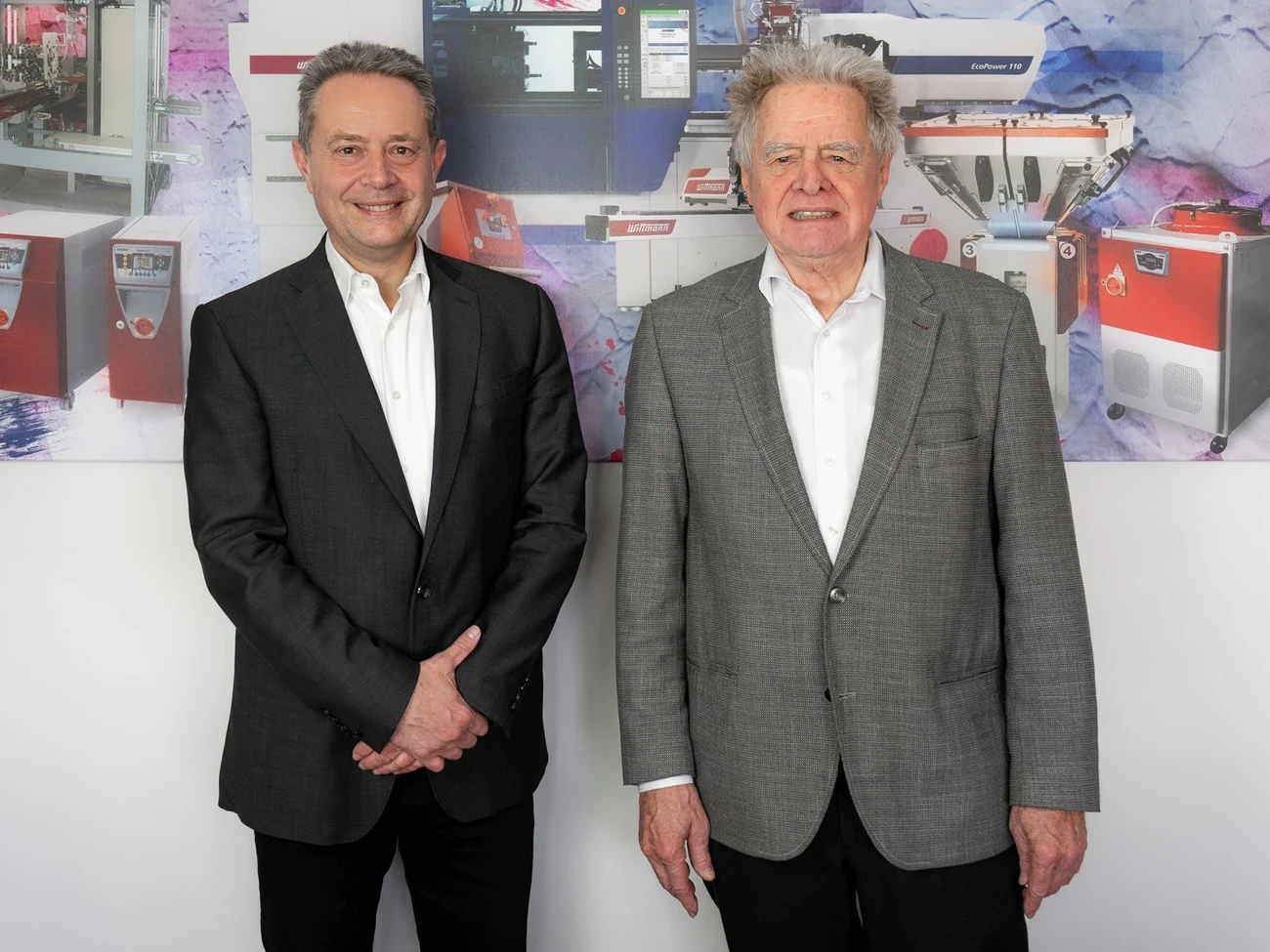
“Manufacturers can handle higher costs if they’re stable,” says Rob Miller, President of Wittmann Battenfeld Canada. “What’s more difficult is when those costs are moving unpredictably. That’s when companies start looking for ways to gain more control over their operations.”
Automation as a Stabilizing Force
In this context, automation is gaining renewed attention, not just as a productivity tool, but as a stabilizing force. By reducing reliance on manual processes and improving consistency, automation helps manufacturers better manage variability across production. But increasingly, its role extends beyond operations into something more strategic: resilience.
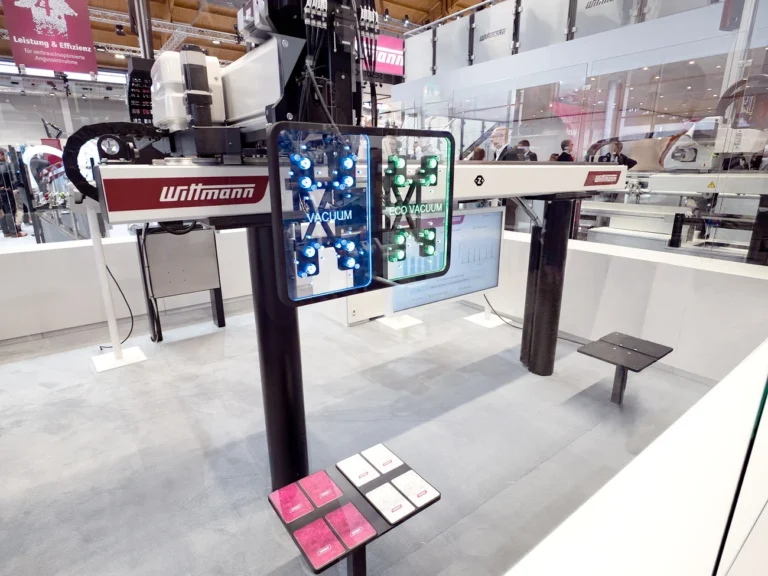
Automation allows manufacturers to build systems that can absorb shocks whether from energy price swings, supply chain disruption, or labour constraints without needing to make reactive cuts that impact long-term capability.
Efficiency and Protection
For Canadian manufacturers in particular, efficiency has become a key differentiator. But efficiency today is not just about doing more with less, it’s about protecting what matters.
“Automation is one of the most effective ways to offset rising costs,” Miller explains. “It improves consistency, reduces scrap, and allows companies to get more out of the equipment they already have.”
That matters not only for margins, but for workforce stability. Rather than responding to cost pressure through layoffs or cutting back on capacity, manufacturers with higher levels of automation are better positioned to retain employees through downturns keeping institutional knowledge intact and avoiding the costly cycle of rehiring and retraining when conditions improve.
From Cost Reduction to Workforce Strategy
While automation is often framed as a cost-reduction tool, leading manufacturers are increasingly treating it as part of a broader workforce strategy.
In practice, this means:
- Using automation to stabilize baseline production
- Redeploying employees into higher-value roles
- Investing in upskilling during stable or growth periods
- Creating a more adaptable, technically capable workforce
In this model, automation doesn’t replace people, it changes how they contribute. “Automation helps factory workers by taking over dangerous, repetitive, and physically demanding tasks, which reduces injuries, lowers physical strain, and increases overall productivity,” says Mark Stephen, Editor at Canadian Plastics magazine. “It shifts the roles that people play away from the ‘three D’s’ – dirty, dangerous, and dull – and toward higher-value, safer work such as maintenance, supervision, and, in some cases, provides opportunity for skill development in tech-related tasks. It’s a good way to keep employees satisfied and engaged in their jobs at a time when staff retention is critical.”
And critically, it gives companies the flexibility to choose how they respond to volatility, rather than being forced into reactive decisions.
A Strategic Response to Volatility
As energy markets continue to fluctuate, manufacturers are being forced to think more strategically about how they operate. Short-term responses such as passing on costs or adjusting pricing have limits. Long-term competitiveness requires structural change. Automation, in this context, is not a one-time investment but part of an ongoing strategy to improve efficiency, adaptability, and control. “Ultimately, automation drives high ROI through waste reduction, improved quality control, and better resource optimization,” Stephen says.
The Road Ahead
While oil markets may eventually stabilize, the broader trend toward volatility driven by geopolitical, environmental, technological and economic factors is unlikely to disappear. For plastics manufacturers, this means the need to adapt will persist.
“The companies that will do best are the ones that take control of what they can control,” Miller says. “And a lot of that comes down to how efficiently and consistently they can operate.”
Increasingly, that control is not just about cost it’s about resilience: the ability to protect your workforce, adapt your operations, and remain competitive no matter what the external environment delivers.
Downloads
insert media or attach from post editor